
Leading Products For Efficient Doctors Office Sanitation
Learn about top-rated cleaning products that streamline sanitation processes and support healthcare hygiene protocols.
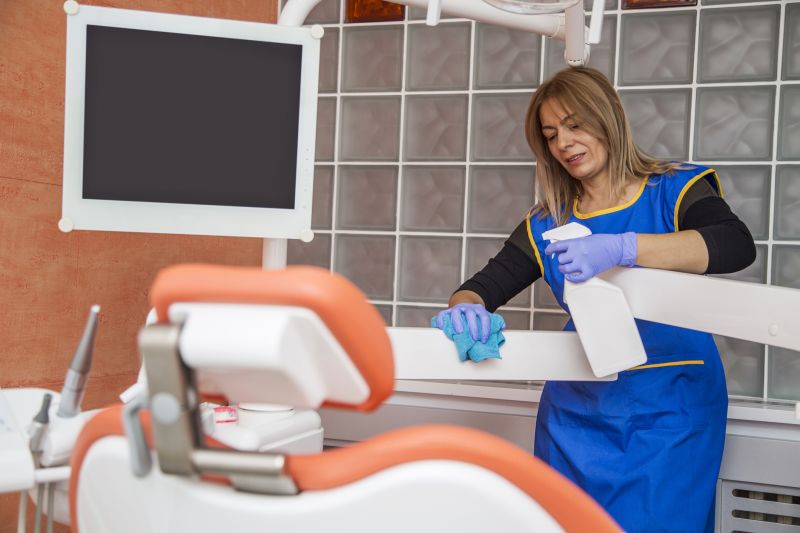 Maintaining a hygienic and sterile environment is essential for any medical facility, and choosing the right cleaning products plays a crucial role in achieving this goal. In a doctor's office, the variety of surfaces and equipment requires specialized cleaning solutions that effectively eliminate germs while being safe for frequent use. From disinfectant sprays to microfiber cloths, the array of products available can help streamline cleaning routines and support infection control protocols. Proper selection of these products not only enhances cleanliness but also contributes to a safer environment for patients and staff alike.
Top Overall Option
Multi-Purpose Disinfectant Spray
A versatile disinfectant spray designed for quick and effective surface sanitation across various medical environments. It offers broad-spectrum efficacy, fast drying times, and compatibility with multiple surfaces, making it a reliable choice for routine cleaning tasks.
Types of Products For Doctors Office Cleanings
Disinfectant Sprays
Used for quick surface sanitation on desks, counters, and medical equipment, available in various formulations for different needs.
Antimicrobial Wipes
Pre-moistened wipes designed for convenient, on-the-go cleaning of high-touch surfaces and equipment.
Microfiber Cleaning Cloths
Reusable cloths that trap dust and microbes effectively, suitable for general cleaning and polishing tasks.
Surface Barriers
Disposable covers used to protect equipment surfaces from contamination during procedures.
Electronic Device Cleaners
Specialized solutions formulated to clean and disinfect screens, keyboards, and other electronic devices safely.
Hand Sanitizers
Alcohol-based gels and foams for quick hand disinfection, essential for staff and patient hygiene.
Floor Cleaners
Specialized solutions for maintaining clean and sanitary flooring in examination and waiting areas.
Cleaning Brushes and Scrubbers
Tools designed for scrubbing stubborn stains or biofilms on surfaces and equipment.
Biohazard Waste Bags
Secure disposal bags for contaminated waste, ensuring safe removal and handling.
Ultraviolet (UV) Sanitizers
Devices that utilize UV light to disinfect surfaces and small equipment items effectively.
Cleaning Solutions for Instruments
Specialized detergents formulated for cleaning and disinfecting medical instruments and tools.
Odor Neutralizers
Products designed to eliminate unpleasant odors in medical environments, promoting a fresh atmosphere.
Bathroom Disinfectants
Effective solutions for sanitizing restrooms and ensuring hygiene standards are met.
Cleaning Mops and Buckets
Essential tools for maintaining floors, available in various sizes and materials.
Popular Choices
Convenient pre-moistened wipes that are widely used for quick surface disinfection in medical settings.
Commonly used for hand hygiene, available in various sizes for easy access in clinical areas.
Popular for rapid surface sanitation, suitable for a variety of medical surfaces and equipment.
Trusted for their ability to pick up dust and microbes with minimal chemical use.
Increasingly used for disinfecting small items and surfaces with UV light technology.
Essential for proper disposal of contaminated waste, ensuring safety compliance.
Popular for safely disinfecting screens, keyboards, and touch panels.
Widely used for maintaining hygienic floors in waiting and examination rooms.
Commonly used for stubborn stains and equipment cleaning tasks.
Popular for maintaining a fresh environment in medical offices.
Frequently used to ensure hygiene in restrooms and sanitation areas.
Standard tools for cleaning large floor areas efficiently.
Versatile concentrates that can be diluted for various cleaning applications.
Effective cleaning in medical settings involves more than just wiping surfaces; it requires the use of products that can penetrate and neutralize pathogens without damaging delicate equipment or surfaces. Disinfectants with broad-spectrum efficacy are commonly used, often combined with tools like disposable wipes or reusable cloths designed for repeated use. Additionally, products such as hand sanitizers, surface barriers, and specialized cleaning agents for electronic devices are integral to comprehensive cleaning strategies. When selecting these products, considerations such as compatibility with surfaces, ease of use, and drying time are important to ensure efficient and thorough cleaning routines.
Proper storage and handling of cleaning supplies also contribute to maintaining a sterile environment. Clear labeling, secure storage areas, and staff training on product use help prevent cross-contamination and ensure compliance with health standards. Regular review and updating of cleaning protocols, along with the right selection of products, support ongoing infection prevention efforts. Ultimately, a well-stocked and thoughtfully curated cleaning product arsenal is vital for the smooth operation of any medical practice, promoting hygiene and safety at every level.
Key Buying Considerations
- Compatibility with different surfaces and materials to prevent damage.
- Efficacy against a broad spectrum of pathogens relevant to medical environments.
- Ease of use and application methods to streamline cleaning routines.
- Drying time to minimize downtime between cleaning and patient access.
- Safety profile, including non-toxic formulations for staff and patients.
- Packaging size and quantity to match the cleaning volume and frequency.
- Compatibility with existing cleaning protocols and equipment.
- Cost-effectiveness over the long term, considering durability and concentration.
- Availability of disposable versus reusable options based on environmental policies.
- Regulatory compliance and adherence to health standards.
- Residue and scent to ensure a neutral environment after cleaning.
- Ease of storage and handling, including secure and organized placement.
- Training requirements for staff to ensure proper product use.
- Potential for cross-contamination prevention with single-use products.
- Inclusion of multi-purpose products to reduce the need for multiple specialized items.